




Small Actions. Meaningful Impact. April is a reminder that sustainability isn’t just something we advise on, it’s something we live every day.
At EnviroScience, our work centers around protecting natural resources and building resilient communities. Earth Month gives us an opportunity to bring that same mindset into our own workplaces through simple, intentional actions.
As we celebrate Earth Day on April 22, we’re focusing on everyday habits that collectively make a difference.
This Month’s Focus: Practical Actions, Real Impact
- BE MINDFUL OF EVERYDAY WATER USE
A single dripping faucet can waste over 3,000 gallons of water per year, often without being noticed. Water is easy to take for granted in day-to-day routines, but small inefficiencies can quickly add up.
Simple ways to contribute:
- Keep an eye out for leaks or continuously running water
- Turn off taps when not actively in use
- Run dishwashers only when full
- Be intentional about water use during cleaning
The bigger picture: Being mindful of water use helps reduce both environmental impact and operational waste, something we advocate for in our work every day.
- REDUCE PAPER, WORK SMARTER
It takes approximately 17 trees and 7,000 gallons of water to produce one ton of paper. In a digital first world, reducing paper use is one of the easiest ways to align our operations with sustainable practices.
What this looks like in practice:
- Pause before printing, ask if it’s truly needed
- Default to double-sided printing
- Use digital tools for reviews, notes, and collaboration
- Reuse paper when possible for internal drafts
The bigger picture: Reducing paper use supports resource conservation and reinforces a more efficient, forward-thinking workspace.
- COMPOSTING: TURNING WASTE INTO A RESOURCE
Food waste accounts for nearly 30% of landfill waste, and when it breaks down, it produces methane — a greenhouse gas significantly more potent than carbon dioxide.
Composting at EnviroScience:
- Compost bin located near trash and recycling stations
- 32-gallon capacity
- Food and compostable items are placed directly into the bin
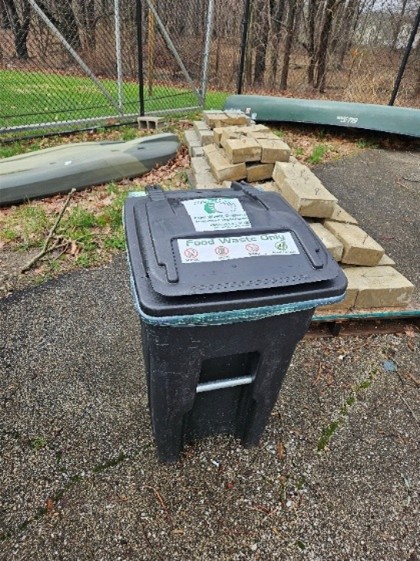
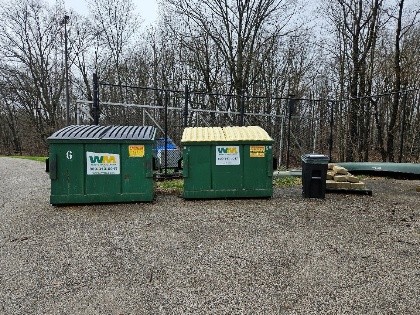
The bigger picture: Composting is a small shift with a meaningful impact, helping reduce landfill waste while supporting a more circular approach to resources.
Moving Forward, Together
Sustainability isn’t defined by one big action, it’s built through consistent, everyday choices.
This month, we encourage you to:
- Try one new sustainable habit
- Be more aware of your resource use
- Share ideas that can help improve our workplace practices