


EnviroScience is excited to share the results of a recent 2026 report published by Earth Economics and The Nature Conservancy, H2Ohio and the Value of Restoring Watersheds: An Economic Valuation of Ohio’s Agriculture and Wetland Restoration Programs. The findings highlight the significant environmental and economic benefits of the H2Ohio initiative for Ohio’s people, communities, and natural resources.
Established in 2019, the H2Ohio Initiative was designed to address statewide water quality issues by reducing algal blooms, stopping pollution, and improving access to clean drinking water. This science- and data-driven program supports best farming practices, reduces runoff from road salt, removes dams, cleans up litter, conserves land, and revitalizes water infrastructure. A major focus of the program is helping farmers reduce phosphorus runoffs, one of the leading contributors to Harmful Algal Blooms (HABs).
Nutrient pollution remains a significant public health concern across Ohio. Events like the 2014 Toledo water crisis, where a “Do Not Drink” advisory impacted more than 400,000 residents, underscore the importance of proactive water quality management. While fertilizers used in agriculture are a primary source of phosphorus runoff, additional contributors include wastewater treatment systems, failing septic systems, livestock manure, lawn and golf course fertilizers, pet waste, and even road salt.
One of the most effective strategies to address phosphorus runoff is the restoration and creation of wetlands. Often referred to as “nature’s kidneys,” wetlands filter and sequester nutrients and pollutants before they reach rivers and streams, improving overall watershed health. Similarly, restoring and reconnecting floodplains allows rivers to access adjacent land during high water events, capturing nutrients while also providing critical flood control benefits. These approaches are especially important given that more than 90% of Ohio’s wetlands have been lost since the late 1700s.
Through H2Ohio funding, wetland, stream, and floodplain restoration projects are being implemented across the state to improve water quality and ecosystem resilience. EnviroScience is proud to have been directly involved in 20 of these projects since the program’s inception. To date, 16 projects have been completed and four are currently underway, spanning 18 counties. This work has resulted in the restoration of nearly 3.5 miles of stream and more than 240 acres of wetlands and floodplains, addressing a wide range of program goals and delivering measurable water quality improvements.
The Earth Economics report highlights the strong return on investment generated by these efforts. H2Ohio’s work restoring wetlands and supporting agricultural best management practices is not only remediating harmful algal blooms and improving drinking water security but also strengthening local economies across the state.
Key findings from the report include:
- More than $300 million in annual economic benefit generated by over 180 projects spanning 11,000 acres of wetlands
- A return of $2.16 to Ohio’s economy for every $1 invested in wetland restoration
- Benefits reaching over 11 million Ohio residents through improved water quality, water supply, and flood control
- Support for more than 270 full- and part-time jobs, generating over $17 million in wages and contributing $28 million to Ohio’s GDP
- Enrollment of more than 3,200 farmers across 2.2 million acres, resulting in $32 million in annual cost savings from reduced phosphorus runoff
In addition to economic gains, the program supports water-based recreation, restoration professionals, and local communities while enhancing ecological health statewide.
The H2Ohio program represents a true win-win for Ohio by delivering measurable economic value while advancing clean drinking water, reducing flood risks, and creating healthier ecosystems for people and wildlife alike. Through continued collaboration among restoration practitioners, nonprofit organizations, and local, state, and federal agencies, this work will continue to improve water quality in Lake Erie and throughout Ohio.
Learn More and Get Involved
Interested in learning more about how wetland and stream restoration can benefit your community or project? Connect with our team to explore partnership opportunities and science-driven solutions.
- Contact EnviroScience to discuss restoration, monitoring, and environmental consulting services
- Explore Our Projects to see how we deliver measurable results across Ohio and beyond
- Partner With Us to advance water quality, resilience, and sustainable infrastructure in your region
Together, we can continue building healthier watersheds and stronger communities.
Featured Projects
Madison Village Stream and Wetland Restoration (Lake County, Ohio)
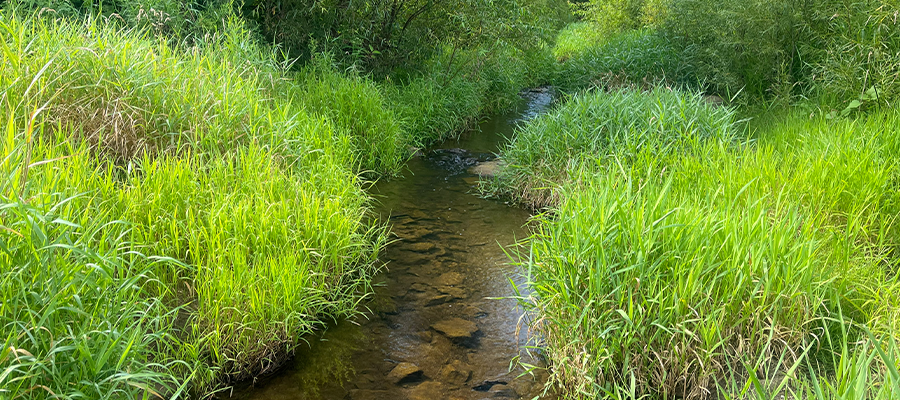
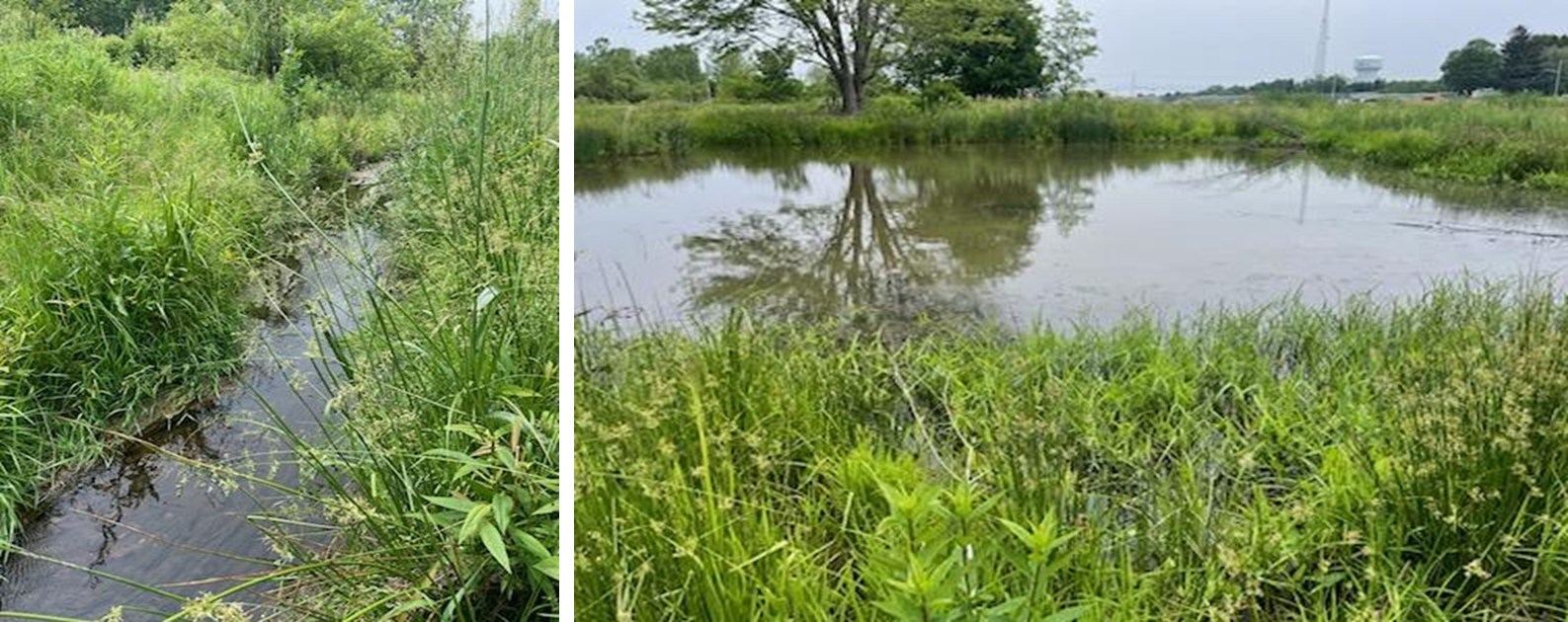
Completed in January 2023, this project restored both stream and wetland systems along a direct tributary to Lake Erie. The project plays a critical role in reducing nutrient loading to the eastern basin of the lake.
Duck Creek Stream and Wetland Restoration (Toledo, Ohio)
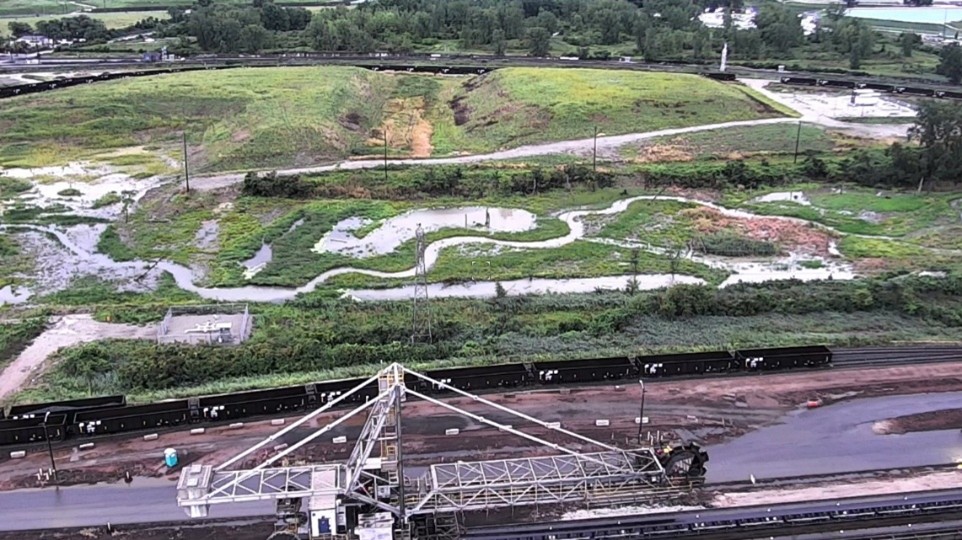
Completed in June 2023 in partnership with the Toledo-Lucas County Port Authority, this project restored a meandering stream channel and connected floodplain wetlands. Duck Creek flows directly into Lake Erie, and the project helps reduce nutrient and sediment inputs into the lake’s western basin.