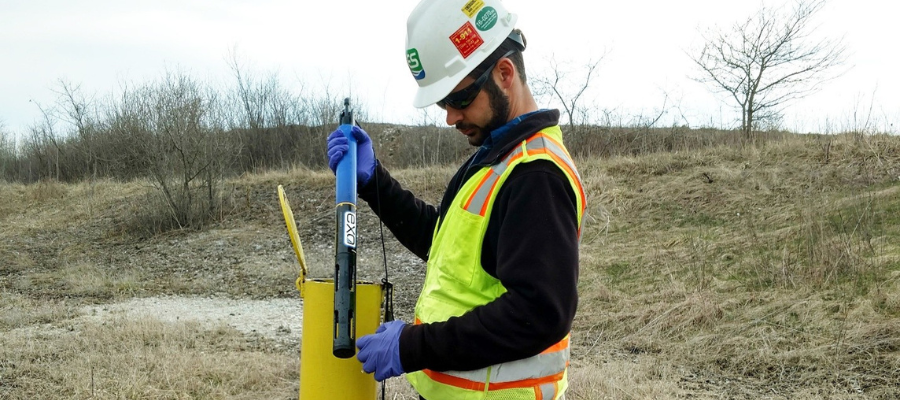
For projects requiring review under the National Environmental Policy Act (NEPA), identifying potential environmental considerations early can help teams make more informed decisions while project plans and schedules still have flexibility.
Start With Existing Information
Before the next phase begins, teams can use available information to develop a clearer picture of potential environmental considerations.
Existing mapping, concepts or project plans, previous studies, early agency feedback, and other readily available information can help screen for resources that may warrant additional review.
Early preliminary environmental screenings are an important part of project planning and development. They can help identify:
- Wetlands and streams
- Potential permitting requirements
- Threatened and endangered species
- Important farmland
- Air quality maintenance or nonattainment areas
- National Register Historic Districts
- Other protected resources
Identifying these resources early can help project teams understand potential constraints that could affect project timelines down the road.
Identify Potential Constraints Earlier
One of the benefits of beginning environmental review during project planning and development is the opportunity to identify potential constraints while a project still has flexibility.
A wetland, protected species habitat, historic property, or other environmental consideration discovered late in the process may be more difficult to address after designs and schedules have been established.
When these considerations are understood earlier, project teams have more opportunity to evaluate options and incorporate environmental due diligence into project schedules and decisions.
Early stakeholder identification and agency scoping are also important aspects of project planning and development. Obtaining feedback can help validate project assumptions, refine the scope of environmental studies, and reduce the risk of unexpected concerns later in the NEPA process.
You don’t need every environmental question answered before fieldwork begins. The important first step is to understand which questions remain and develop a plan to address them.
Have projects on the horizon? Contact EnviroScience to discuss how early NEPA and environmental planning can help your team prepare for the work ahead.
Part 2 of 4 in EnviroScience’s NEPA Planning Series.
Few environmental firms in the country retain EnviroScience’s degree of scientific know-how, talent, and capability under one roof. The diverse backgrounds of our biologists, environmental engineers, scientists, and divers enable us to provide comprehensive in-house services and an integrated approach to solving environmental challenges—saving clients time, reducing costs, and ensuring high-quality results.
Our client guarantee is to provide “Excellence in Any Environment,” meaning no matter what we do, we will deliver on our Core Values of respect, client advocacy, quality work, accountability, teamwork, and safety. EnviroScience was created with the concept that we could solve complex problems by empowering great people. This concept still holds true today as our scientists explore the latest environmental legislation and regulations and incorporate the most up-to-date technology to gather and report data.
EnviroScience expertise includes but is not limited to aquatic surveys (including macroinvertebrate surveys and biological assessments); ecological restoration; ecological services (including impact assessments, invasive species control, and water quality monitoring); emergency response; engineering and compliance services; endangered mussel surveys; laboratory and analysis; stormwater management; sustainability services; threatened and endangered species; and wetlands and streams (including delineation and mitigation). Further, EnviroScience is one of the few biological firms in the country that is a general member of the Association of Diving Contractors International (ADCI) and offers full-service commercial diving services.