
Environmental Compliance Is a Team Effort
Construction sites are constantly evolving. While a SWPPP establishes how stormwater will be managed throughout the project, its success depends on consistent coordination among everyone working on the site.
Environmental inspectors play an important role in that process by helping project teams:
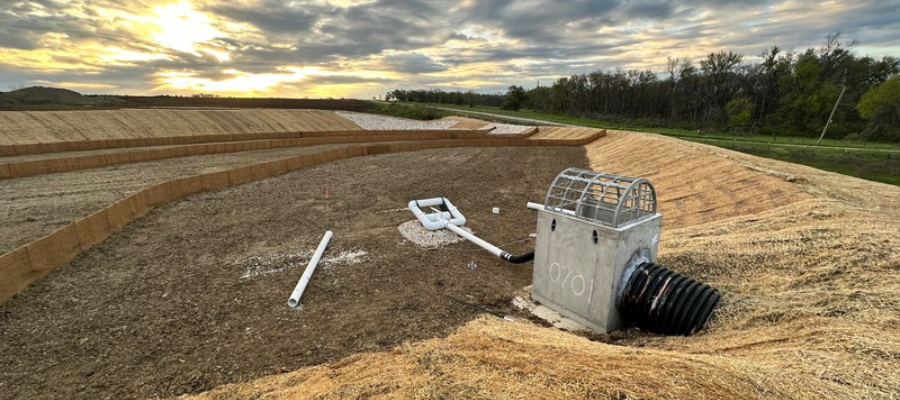
- Verify that erosion and sediment controls are installed to spec but also monitor their functionality in real-world settings.
- Identify changing site conditions and grading that affect stormwater flow and thus alter the original design of erosion/sediment controls.
- Document site compliance through inspection forms and photo documentation.
- Communicate their observations to the onsite staff to begin remediation and relay site findings to non-field personnel.
Rather than serving solely as compliance auditors saying pass or fail, experienced inspectors work with their clients to help connect project plans with field operations. They ensure everyone understands what needs to happen and why through education and working as a team.
Environmental Compliance Communication Keeps Projects Moving
Environmental compliance is about more than meeting permit requirements. It is about creating a shared understanding among project owners, contractors, inspectors, and field crews, so potential issues are identified early and addressed before they impact the project or local environment. Proper communication between site supervisors, inspectors, project managers, and laborers or operators helps alleviate compliance issues when everyone is on the same page.
At EnviroScience, our environmental inspection team works alongside clients to support effective communication, practical problem-solving, and regulatory compliance throughout every stage of construction. Whether providing SWPPP inspections, erosion and sediment control oversight, spill or environmental cleanup tasks, or resource monitoring during construction, we help clients reduce risk while keeping projects moving forward.
How Environmental Inspectors Help Reduce Project Risk
Sure, permit-required inspections keep you compliant, but a good inspector does a lot more than just fill out paperwork. Having someone regularly walk a site gives project owners a real-time look at site conditions.
Are we out there asking the right questions:
- Do our BMPs actually keep up with the current phase of dirt work?
- Did that last storm create any new erosion problems we missed?
- Are we actually knocking out corrective actions on time?
- If a state or local regulator walks on site today, is our paperwork ready for easy review?
When you treat inspections as an ongoing reality check instead of waiting until the end to pile it all together, you avoid missing documentation and provide real-time updates when agencies or municipalities ask for updates.
Building Better Outcomes Through Collaboration
Effective environmental compliance depends on more than permits and inspections. It requires ongoing collaboration between project owners, contractors, environmental professionals, and regulatory agencies.
When communication remains consistent throughout a project, teams can respond quickly to changing conditions, address concerns before they become violations, and maintain momentum without unnecessary disruptions.
This collaborative approach not only supports regulatory compliance but also helps protect natural resources while keeping projects on schedule and reducing overall project risk.
Learn how EnviroScience’s Environmental Inspection Services can help your next project stay compliant, protect natural resources, and achieve successful outcomes.